
Blog

Implantation bleeding: how can you tell the difference?
When you are trying to conceive, and especially during the two-week wait after an assisted reproduction treatment, any small change can raise a lot of questions. One of the things that worries patients most is light bleeding before the pregnancy test. Could it be...
Uterine factors and infertility: how the uterus and endometrium influence pregnancy
When we talk about fertility, much of the focus tends to be on the quality of the eggs, sperm and embryos. However, for a pregnancy to begin and progress, it is also essential that the site where the embryo is to implant provides the right conditions. The shape of the...
What are the chances of getting pregnant? Chances by age
When we start trying for a baby, it’s common to think it will happen quickly. However, even when there are no fertility issues, getting pregnant during a menstrual cycle is not guaranteed. The likelihood of becoming pregnant depends on various factors, but one of the...
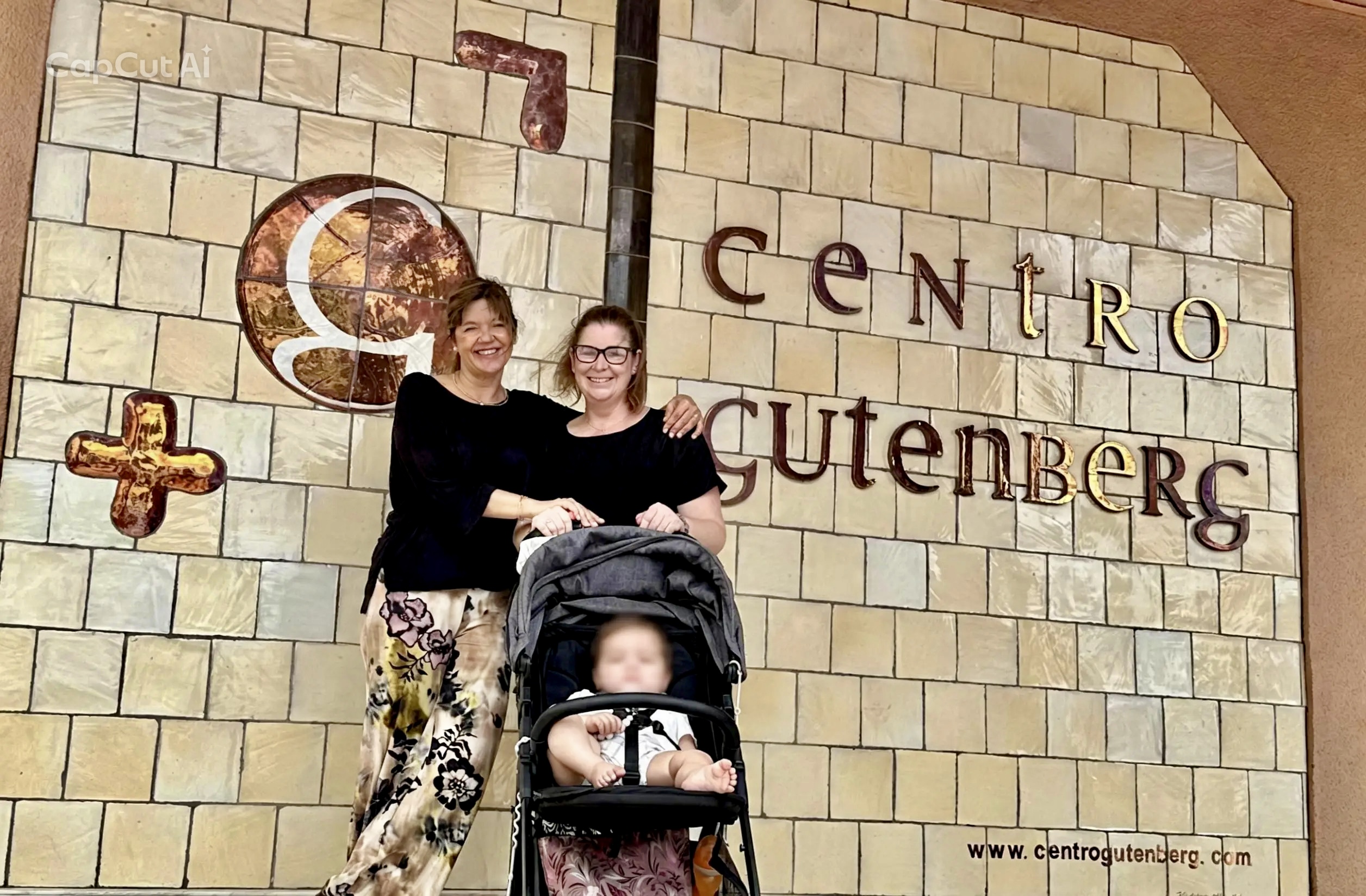
Embryo donation: a story of hope that brought Jack back to us
There are visits that turn an ordinary day into one of those days that the whole team remembers for a long time to come. A few weeks ago, we welcomed back a patient who had travelled from Dublin to Málaga for embryo donation treatment at URE Centro Gutenberg. This...

Male infertility: why it is important to investigate the male factor
When a couple is unable to conceive, attention is often focused on the woman. However, the reality is very different: male factors are involved in approximately 30 per cent of infertility cases. For this reason, in assisted reproduction, both partners should always be...

My experience at URE Centro Gutenberg: I won’t stop until I have you in my arms
There are phrases that stay with you forever. And there are stories that begin with fear… but end with life. This is one of them. A diagnosis that changed everything In 2017, I was diagnosed with endometriosis, a condition that completely changed the course of...

Endometriosis: a silent disease that can affect fertility
Endometriosis is a chronic inflammatory disease that can compromise fertility and significantly impair a woman's quality of life. It is estimated to affect approximately 1 in 10 women, yet it remains an underdiagnosed disease. 14 March, World Endometriosis Day,...
Methods for reducing sperm DNA fragmentation and improving male fertility
Sperm quality does not depend solely on its motility or external appearance. One of the most important, and often unknown, factors in male fertility is sperm DNA fragmentation, i.e. the degree of damage to the genetic material of the sperm. When this fragmentation is...
Egg donation: everything you need to know
Talking about egg donation is not just talking about a medical treatment. It is talking about important decisions, changing expectations, intense emotions... and, above all, hope. Many women and couples come to egg donation after a long journey, sometimes full of...
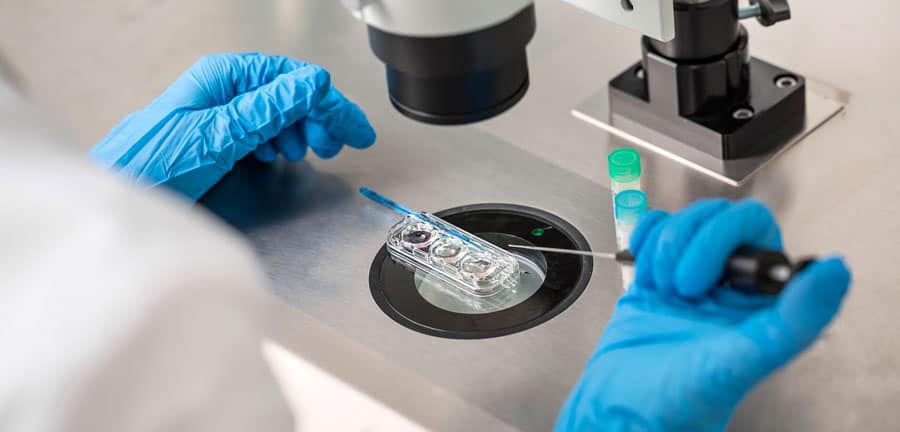
Frozen embryo transfer: Natural cycle or substituted cycle?
The frozen embryo transfer is a fundamental treatment in assisted reproduction and is a common part of many in vitro fertilisation (IVF) processes, both with the patient's own oocytes and with egg donation. Thanks to the vitrification technique (ultra-rapid freezing...