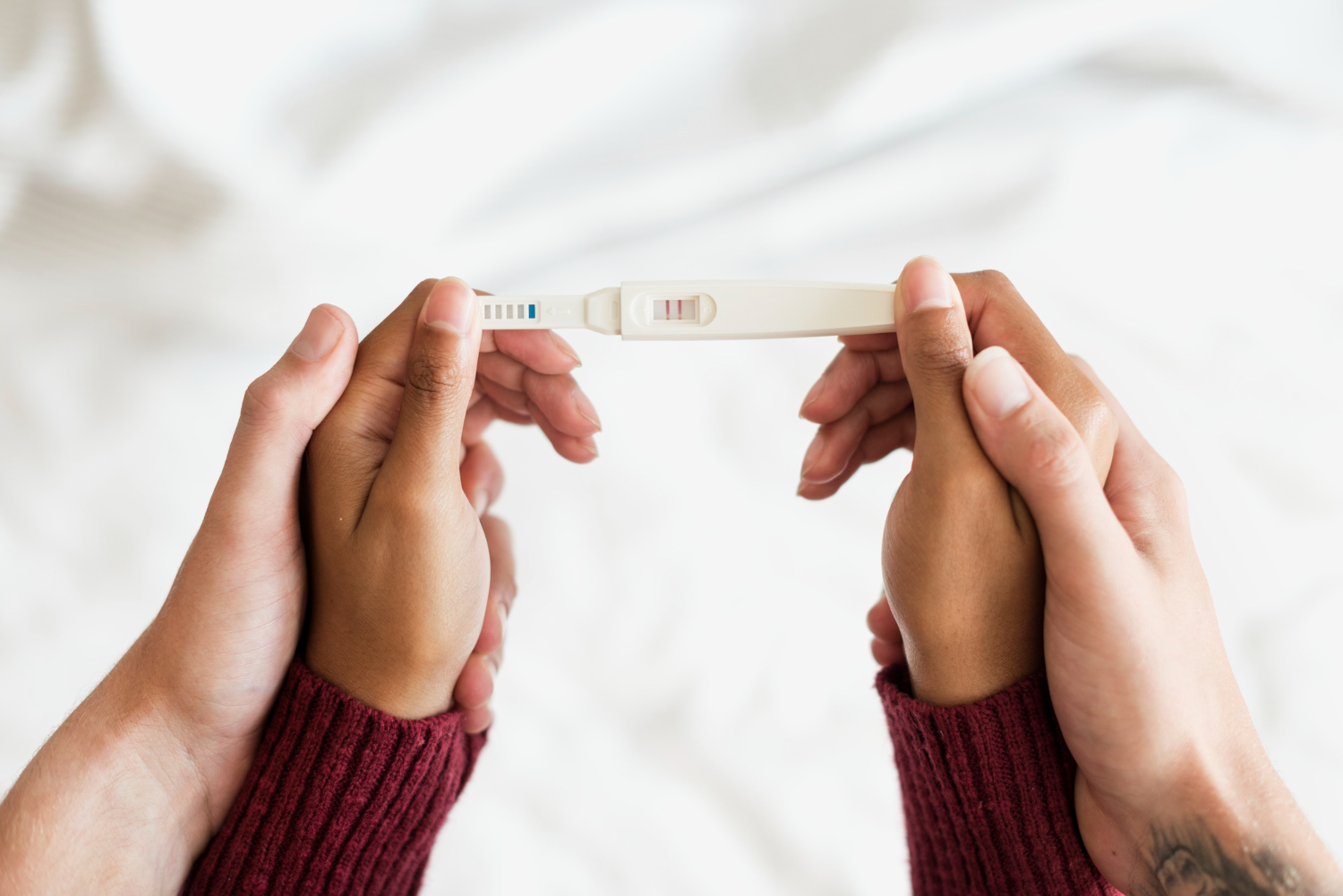

When a couple is unable to conceive, attention is often focused on the woman. However, the reality is very different: male factors are involved in approximately 30 per cent of infertility cases. For this reason, in assisted reproduction, both partners should always be assessed. Understanding what is happening with the man makes it possible to identify any potential issues and find the most appropriate route to achieving pregnancy.
How is male fertility studied?
The assessment of male fertility begins with a comprehensive medical history, during which various aspects relating to the patient’s health and medical history are reviewed. Issues such as any illnesses the patient may have had during childhood, adolescence or adulthood, sexual development, previous surgeries and certain lifestyle habits, such as smoking, alcohol consumption or drug use, are assessed. However, the basic and fundamental test for assessing semen quality is the semen analysis.
Semen analysis: the basic test for assessing semen quality
A semen analysis is a test used to assess the characteristics of semen and determine whether there are any abnormalities that may be hindering conception. In accordance with WHO criteria, this analysis primarily examines:
- Semen volume
- Sperm concentration
- Motility (ability to move)
- Morphology (shape of the sperm)
The results of the semen analysis help to identify potential problems related to male fertility. In this blog post, we explain how to interpret the semen analysis.
Main causes of male infertility
Male infertility can have various causes. Some of the most common causes include genetic abnormalities, varicocele, cryptorchidism, orchitis and other medical factors.
Genetic abnormalities
They occur in approximately 10 per cent of the most severe cases. These include situations such as:
- Azoospermia (absence of sperm)
- Cryptzoospermia
- Oligoasthenozoospermia
In these cases, further investigations such as karyotyping or testing for Y-chromosome microdeletions may be necessary.
Varicocele
A varicocele is one of the most common causes of male infertility. It involves dilation of the veins in the testicle and can affect sperm production due to an increase in testicular temperature. It affects approximately 10–15 per cent of men.
Cryptorchidism
Cryptorchidism occurs when one or both testicles fail to descend properly into the scrotum. As they remain at a higher temperature than is ideal, this can affect sperm production.
Orchitis
Orchitis is an inflammation of the testicles that can have various causes, including:
- Viral (such as mumps)
- Bacterial
- Immune-mediated
- Traumatic
Other factors affecting male fertility
influence male fertility, such as hormonal disorders (for example, hypogonadism), testicular cancer and its treatments involving chemotherapy or radiotherapy, and the use of anabolic steroids or certain medicines.
The role of men in fertility: a key factor
We now know that fertility is a matter for both partners. Examining the male factor not only enables us to identify potential problems, but also points the way towards quicker and more effective solutions.
What solutions are available?
Advances in assisted reproduction have led to the development of techniques capable of helping couples achieve pregnancy even in complex situations. One of the most widely used techniques is ICSI (intracytoplasmic sperm injection). This technique involves injecting a single sperm directly into the egg, which helps to overcome problems related to poor semen quality and increases the chances of fertilisation.
One first step can change everything
If you’ve been trying to conceive for some time without success, looking into male factors could make all the difference. At URE Centro Gutenberg, we help you understand what’s going on and what options are available to you. The first consultation is free (also available online) and could be the first step towards achieving your goal. Book it here.