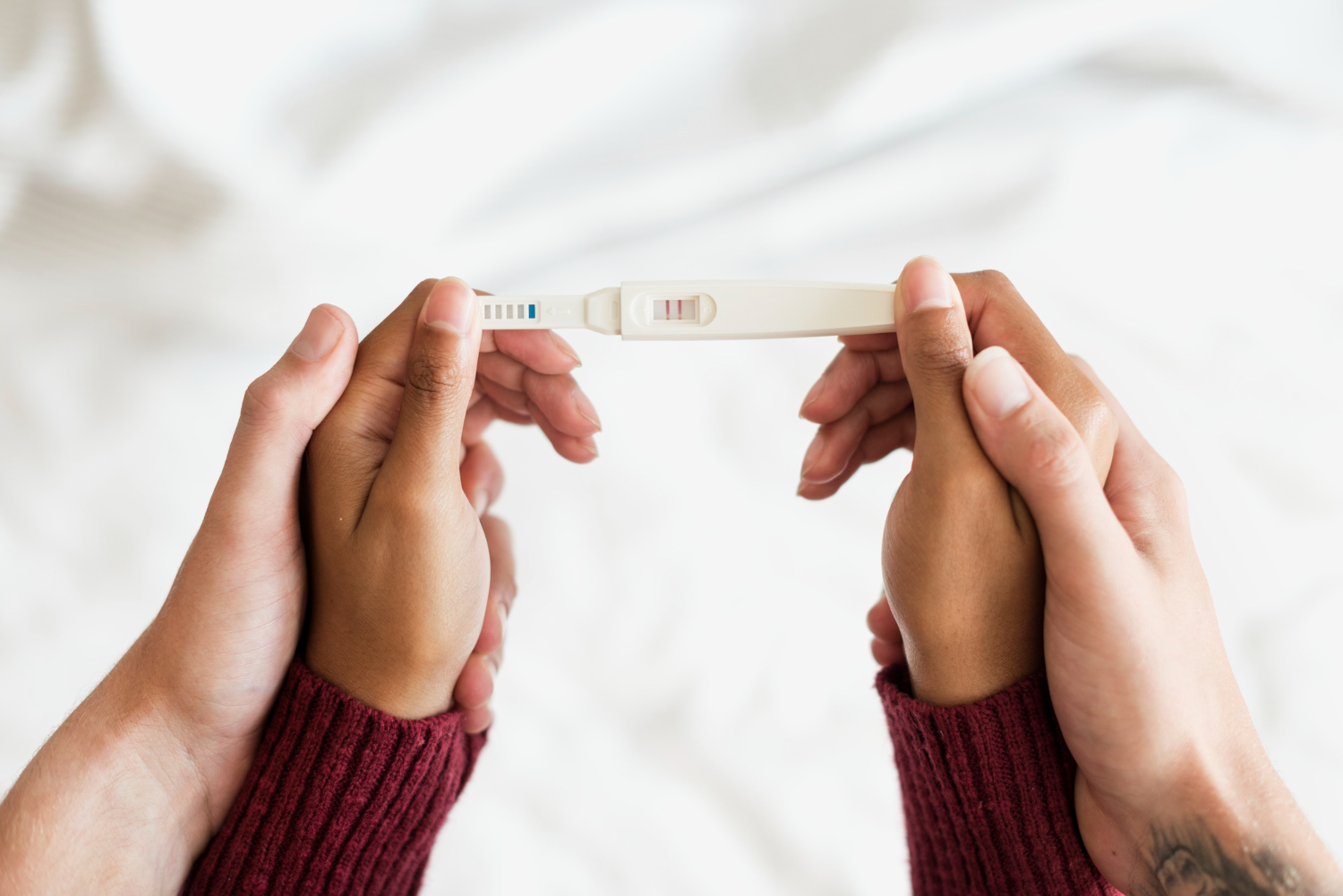
When a couple is unable to conceive, attention is often focused on the woman. However, the reality is very different: male factors are involved in approximately 30 per cent of infertility cases. For this reason, in assisted reproduction, both partners should always be...
Frequently asked questions: fertility and assisted reproduction
What does an initial fertility consultation involve?
At the Gutenberg Centre Reproduction Unit, your first fertility consultation is free and lasts approximately one hour. During this time, one of our specialist doctors will thoroughly examine your case in order to offer you a clear diagnosis and a personalised...
The impact of infertility on couples
At present, 17.5 % of couples worldwide are dealing with impact of infertility. In Spain, one in every five couples is struggling with fertility issues, and about 56 % of those one in five couples have started to undergo assisted reproduction treatment. ...
What is a chemical pregnancy?
A chemical or biochemical pregnancy is defined as an early pregnancy that is confirmed through a positive test for the hormone beta human chorionic gonadotropin (β-hCG), either in urine or blood, but which does not progress to the stage where the pregnancy can be...
Embryo freezing: frequently asked questions about this assisted reproduction technique
The embryo freezing by vitrification, or ultra‑rapid freezing, is one of the assisted reproduction techniques we perform at URE Centro Gutenberg. It’s a very useful procedure as it allows us to preserve the embryos that aren’t going to be transferred in the same...
Basic fertility study: what tests are needed?
Many couples ask us when they should start looking into assisted reproduction if they want to have kids. And our response is always the same: if you haven’t conceived naturally after a year of regular, unprotected intercourse, we recommend that you visit a specialist...
Frozen embryo transfer: frequently asked questions about this assisted reproduction treatment
The frozen embryo transfer is a treatment we perform at our fertility clinic in Spain in cases where we were able to freeze embryos that were previously created in a cycle of in vitro fertilisation treatment, regardless of whether the embryos were made using own eggs...
Refractory endometrium and assisted reproduction
In assisted reproduction treatment there are two fundamental objectives in order to achieve a pregnancy which will go on to develop correctly. The first objective is to have at least one embryo for the embryo transfer, and the second is to help the female achieve...
Ovarian stimulation in assisted reproduction
We answer your most frequently asked questions! It is completely normal to feel confused about certain concepts related to assisted reproduction treatment. One of these is the ovarian stimulation which is a process that tends to make our patients worry and have lots...
I can’t get pregnant. What should I do?
You have decided it is time to grow your family so you start trying to conceive. The months go by but you haven’t gotten pregnant yet. So you think: I can’t get pregnant. What should I do? It is true that some women manage to conceive relatively quickly, but this is...
También te puede interesar…
Male infertility: why it is important to investigate the male factor
When a couple is unable to conceive, attention is often focused on the woman. However, the reality is very different: male factors are involved in approximately 30 per cent of infertility cases. For this reason, in assisted reproduction, both partners should always be...
What does an initial fertility consultation involve?
At the Gutenberg Centre Reproduction Unit, your first fertility consultation is free and lasts approximately one hour. During this time, one of our specialist doctors will thoroughly examine your case in order to offer you a clear diagnosis and a personalised...
The impact of infertility on couples
At present, 17.5 % of couples worldwide are dealing with impact of infertility. In Spain, one in every five couples is struggling with fertility issues, and about 56 % of those one in five couples have started to undergo assisted reproduction treatment. ...