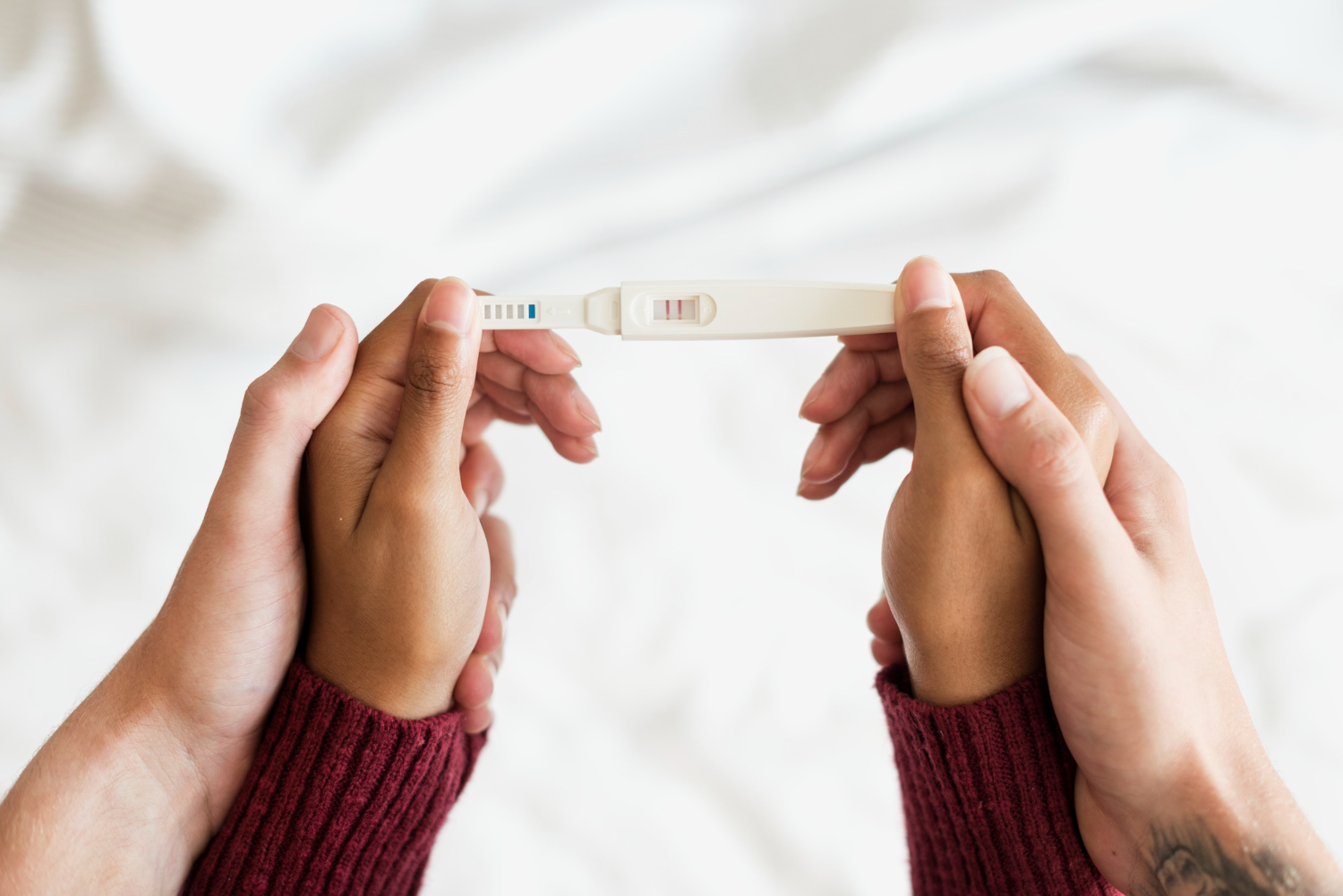
When we start trying for a baby, it’s common to think it will happen quickly. However, even when there are no fertility issues, getting pregnant during a menstrual cycle is not guaranteed.
The likelihood of becoming pregnant depends on various factors, but one of the most important is the woman’s age. During the years of peak fertility, the chances are highest and gradually decrease with age, particularly from the age of 35 onwards.
As a guide, in healthy couples, a young woman may have a chance of around 25–30 per cent of conceiving during a menstrual cycle. By the age of 40, this figure stands at around 10 per cent or even lower.
But why does the likelihood of pregnancy change so much with age? And what other factors might influence it?
We’ll explain.
What is the probability of becoming pregnant in each cycle?
The likelihood of becoming pregnant during a menstrual cycle is known as fertility.
This figure represents the likelihood of pregnancy occurring during a given cycle in which unprotected sexual intercourse takes place.
Even during the most fertile years, the likelihood of becoming pregnant naturally in a single cycle is limited.
In young women, it can be around 25–30 per cent per cycle. This means that not becoming pregnant during the first month of trying is completely normal and does not, in itself, indicate a fertility problem.
The likelihood of pregnancy decreases with age, and this decline becomes more pronounced during the second half of a woman’s thirties.
Dr Claudio Álvarez explains how the likelihood of pregnancy changes with age
In this video, Dr Claudio Álvarez, Medical Director of URE Centro Gutenberg, explains in simple terms how a woman’s chances of conceiving naturally change as she gets older.
Probability of pregnancy according to a woman’s age
Female fertility does not decline overnight, nor is there a specific age at which a woman can no longer become pregnant.
It is a gradual decline that accelerates with age.
As a rough guide:
Probability of pregnancy at the age of 20
In one’s twenties, women experience one of the periods of highest fertility.
As Dr Claudio Álvarez explains, the chance of becoming pregnant for every month of trying is approximately 30 per cent, or even slightly higher, in young women with no known fertility problems.
Probability of pregnancy from the age of 30 onwards
From the age of 30 onwards, fertility begins to decline gradually.
As a guide, the chances of pregnancy per cycle can be around 20–25 per cent, although there is no single percentage that applies to all women.
Age is important, but other reproductive factors—affecting both women and men—also play a part.
Probability of pregnancy from the age of 35 onwards
From the age of 35 onwards, the decline in female fertility begins to become more apparent.
This is primarily linked to the gradual decline in both the quantity and quality of oocytes.
For this reason, when a woman is aged 35 or over and has been trying unsuccessfully to conceive for six months, we recommend that she undergo a fertility assessment.
Probability of pregnancy at the age of 40
At the age of 40, the chance of achieving a natural pregnancy in each cycle is approximately 10 per cent or less, although the exact figure may vary from one woman to another.
As well as reducing the chances of pregnancy, the risk of chromosomal abnormalities in the eggs and of miscarriage also increases with age.
This does not mean that a natural pregnancy at the age of 40 is impossible, but rather that it is less common and may take longer to occur.
Is it possible to get pregnant naturally at the age of 45?
Yes, it is possible, but the chances of achieving a spontaneous pregnancy using your own eggs at the age of 45 are very low.
As Dr Claudio Álvarez explains in the video, natural pregnancies are rare after the age of 44–45.
For this reason, at these ages we recommend undergoing a personalised assessment right from the start of your journey to understand your reproductive situation and the options available.
Why does the likelihood of pregnancy decrease with age?
A woman is born with a fixed number of oocytes, and this reserve gradually decreases throughout her life.
However, with age, it is not only the quantity of available oocytes that decreases, but also their quality.
As maternal age increases, oocytes are more likely to have chromosomal abnormalities. This can make it difficult to achieve a full-term pregnancy and also increases the risk of miscarriage.
This decline becomes particularly significant during the second half of a woman’s thirties and becomes more pronounced thereafter.
For this reason, a woman’s age is one of the factors that most significantly influences her chances of achieving a natural pregnancy.
Does a man’s age also affect the likelihood of pregnancy?
Yes. Although the effect of age on fertility is much more pronounced in women, a man’s age can also influence his reproductive capacity.
Over the years, changes may occur in certain semen parameters and in sperm quality.
What other factors influence the likelihood of becoming pregnant?
Age is very important, but it is not the only factor that determines the chances of becoming pregnant.
Ovulation and the regularity of cycles, semen quality, the condition of the fallopian tubes, certain gynaecological conditions or disorders, and some lifestyle habits can all influence fertility.
For this reason, two women of the same age may find themselves in very different reproductive situations.
Do fertile days affect the chances of getting pregnant?
Yes. For a natural pregnancy to occur, sexual intercourse must take place during what is known as the fertile window.
This covers approximately the days leading up to ovulation and the day of ovulation itself. Sperm can survive for several days in the female reproductive tract, whilst the egg has a much shorter window of opportunity to be fertilised.
You can find out more in our article on how to calculate your fertile days.
Is it possible to increase your chances of getting pregnant?
There is no method that guarantees a natural pregnancy, but we can create the best possible conditions.
Having sex regularly, avoiding smoking, moderating alcohol consumption, maintaining a healthy weight and looking after your general health are some of the usual recommendations when trying to conceive.
It is also important not to turn the process of trying to conceive into a series of strict calculations. Having sex every one or two days during the fertile window offers the highest pregnancy rates, although having sex two or three times a week achieves very similar results.
When should you seek advice if you’re not getting pregnant?
Generally speaking, we recommend undergoing a fertility assessment if pregnancy has not been achieved after 12 months of regular, unprotected sexual intercourse in women under the age of 35.
From the age of 35, we recommend seeking advice after six months of trying to conceive, and from the age of 40, it is advisable to undergo an assessment from the outset.
If you’d like to know how long it’s considered normal to try for a pregnancy before seeking advice, we explain this in detail in our article:
How long does it take to get pregnant?
Frequently asked questions about the likelihood of pregnancy
What are the chances of getting pregnant the first time?
It depends primarily on the age and reproductive status of both partners.
During her most fertile years, a young, healthy woman has approximately a 25–30 per cent chance of becoming pregnant during a menstrual cycle.
It is therefore completely normal not to become pregnant on the first attempt.
What are the chances of becoming pregnant within a month?
In young women with no known fertility problems, this figure is approximately 25–30 per cent per cycle, decreasing progressively with age.
However, these are population-based figures and do not allow for the calculation of the exact likelihood of pregnancy for a specific woman.
What are the chances of getting pregnant at the age of 40?
Around the age of 40, the chance of a natural pregnancy per cycle is approximately 10 per cent or less.
For this reason, from the age of 40 onwards, we recommend that you do not delay consulting a specialist if you are hoping to become pregnant.
On which days are you most likely to get pregnant?
The days with the highest chances of conception fall within the fertile window, particularly in the days leading up to ovulation.
Having sex regularly during this period increases the chances of sperm being present at the time of ovulation.
Would you like to find out about your fertility?
The percentages given in this article are indicative figures derived from population-based studies. There is no single figure that can determine, based on age alone, a woman’s or a couple’s individual probability of pregnancy.
If you are trying to conceive and would like to find out about your reproductive health, at URE Centro Gutenberg we can assess your situation on an individual basis.
Our first fertility consultation is free of charge and can be booked in person or online.